Photogrammer is a digital archive project that organizes the thousands of photographs taken between 1935 and 1944 during the “Historic Section of the Resettlement Administration” initiative.
The Farm Security Administration (formerly the Resettlement Administration) was one of many agencies created by The New Deal to alleviate the effects of the Great Depression, making it the subject of much scrutiny. The “Historic Section” was created to persuade the public of the agencies value, and though the initial aim was to capture the program’s effects, it evolved into into an examination of daily life and war.
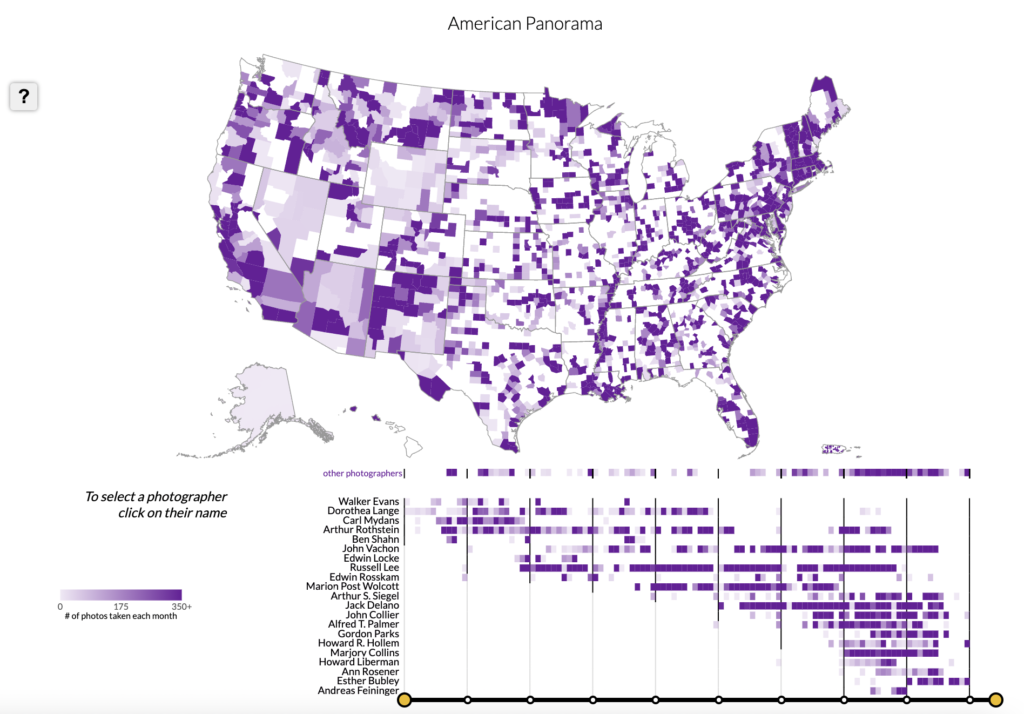
Photogrammer organizes the photo collection into groups based on time, location, photographer, content, and themes. This is done through classification tags, interactive maps and timelines, and individual photographer profile pages.
SOURCES

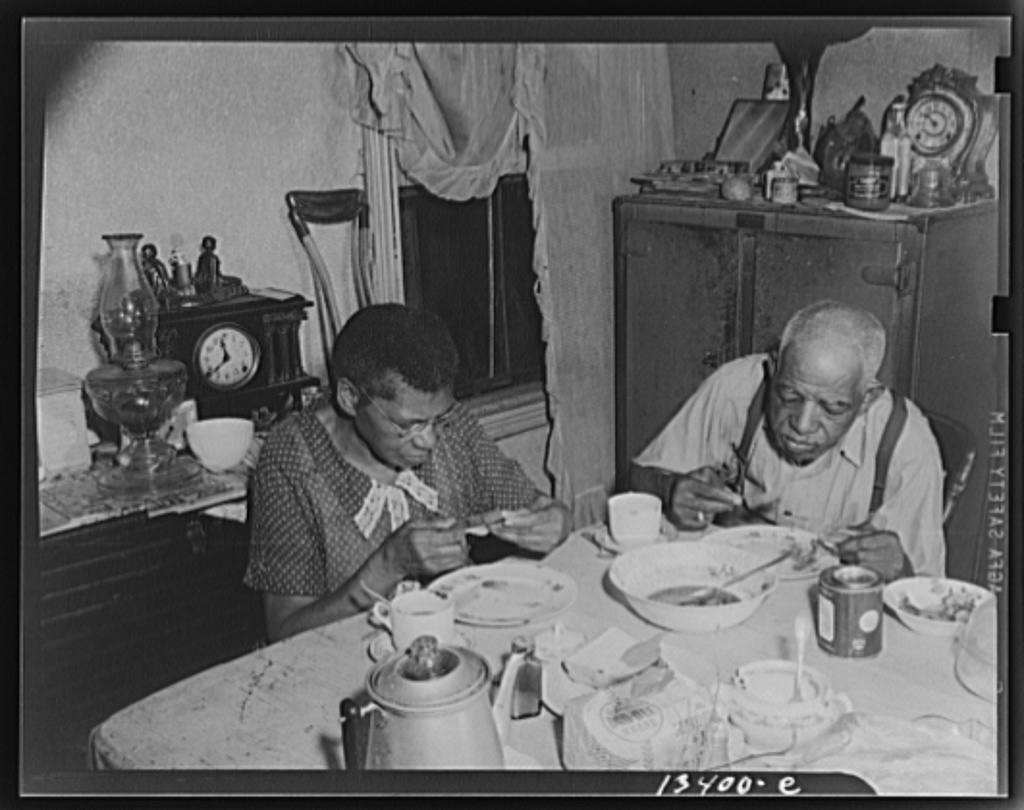
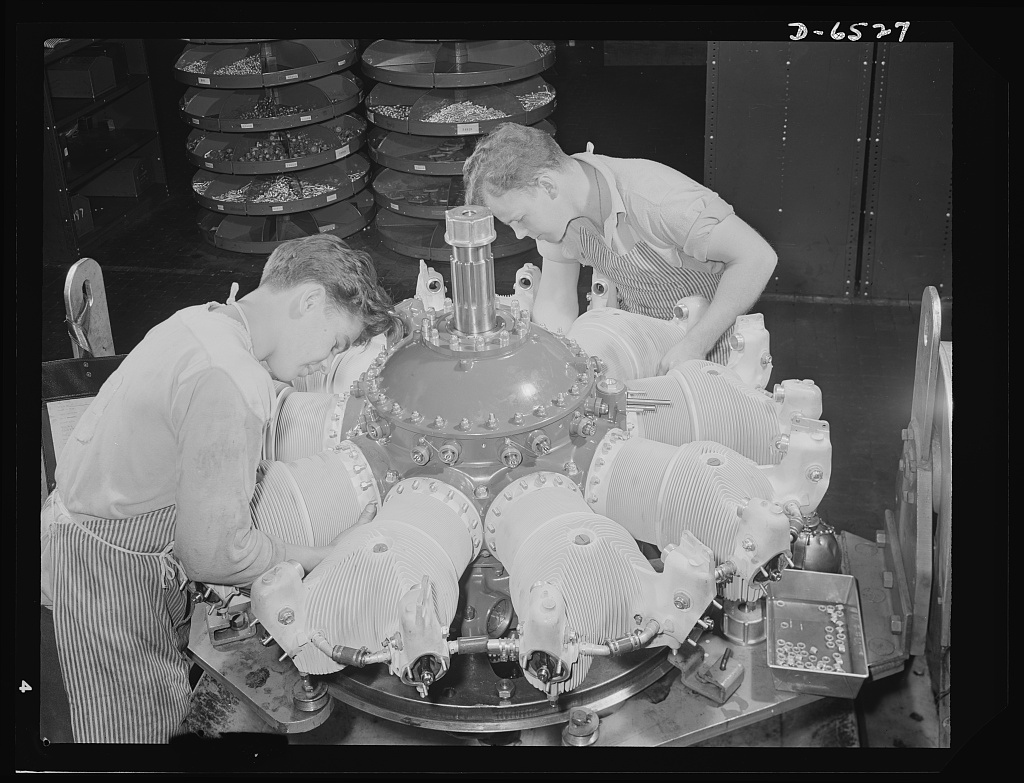
The source material for Photogrammer is an extensive digital archive of 170,000 film photos and many interview transcripts, meaning the metadata is a collection of dates, locations, photographers, and captions, all sorted for logical retrieval.
If you navigate to the about page on the site, there is a place to download the metadata. A lot of the files are too large to open (especially if you’re on a laptop, like me), which may be because they contain the actual photos or just because it’s a crazy amount of information. The rest of the metadata is retrieval information and sorting; there are many large tables with locations, dates, photographers, or categorial tags with the file information for the corresponding photograph. There are also many geographical tables, such as a table with the states and counties, one with states and coordinates, one with the locations and what they are (states, island, etc.), and others. A lot of the other stuff are things I can’t quite figure out; my guess is they are site maintenance and update information.
PROCESSES
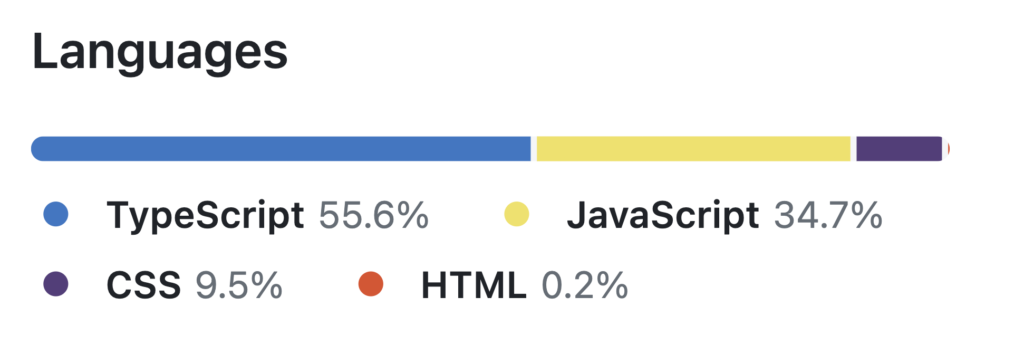
Next to where you can download the metadata is where you can download the code. The site is coded mostly with TypeScript and Javascript, though, TypeScript is an add-on tool for JavaScript meant to help with large programs and transpiling code. Below the code files is a block that mentions the project was bootstrapped with Create React App, which is a tool that takes a script, creates the necessary files and folders, then runs the application on a browser. My guess is this tool is used for large browser applications a lot.
PRESENTATION
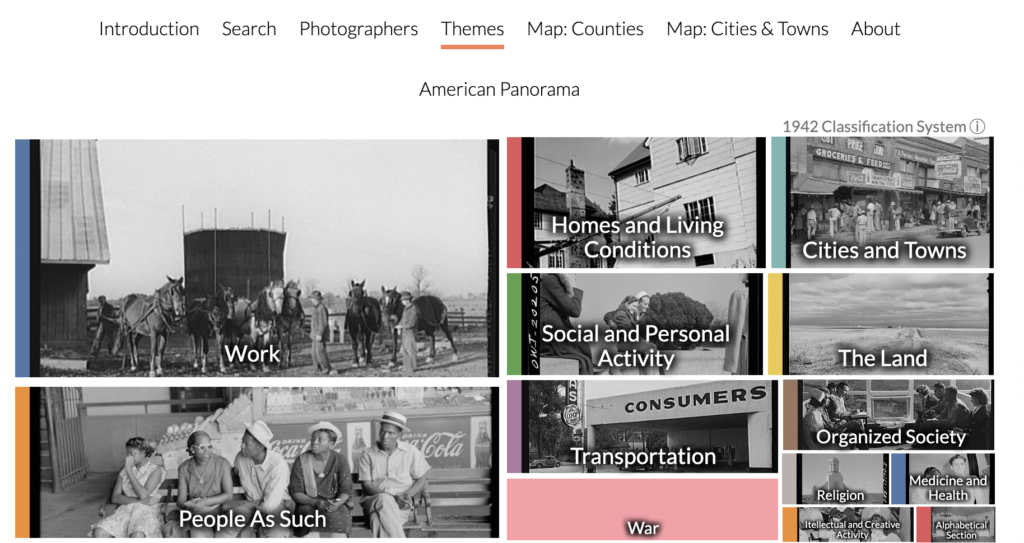
As mentioned in the About tab, the site name, Photogrammer, comes from combining photo and grammar to “indicate how the project offers new ways to read, see, and view photography”. This means combining all the information beyond just the picture on its own. The presentation is an interactive classification system; location, photographer, year, and content all have tags all can be searched for, selected, and combined. There is also information pages for all the photographers with biographical facts and interview transcripts. Then there are picture data on an interactive map and interactive graphs which display photographers’ relations with content and years.
Breaking this down involved looking at a lot of code that I didn’t understand at all, meaning I have a lot of new questions. One I’m particularly curious about is the maintenance of the page; it’s done by rnelson2 according to the source code, and where you view the source code there’s mention of pull requests and open issues. Do random people submit issues, or are those just showing that issues are in progress while rnelson2 works on them? I looked up what a pull request is, and it’s an event that happens when a developer integrates new code into the main project code. Again, is the site meant for outside people to contribute, or just to show behind the scenes? My guess is it’s just behind the scenes or meant for developer collaboration.

You did a great job breaking down this project! I didn’t think to use the source code when breaking down my chosen project, but it seems pretty useful. I also liked the way you formatted your response and spread out the images, it’s very organized and makes it easy to follow along with your process.
I loved how you provided the historical context for the creation of PhotoGrammer, this helped put the project’s purpose into context. I admire how you took this assignment a step further by looking into the source code and identifying who maintains the website. Besides viewing patterns of monthly photography across the United States, how can the data in PhotoGrammer be analyzed in a visual way?