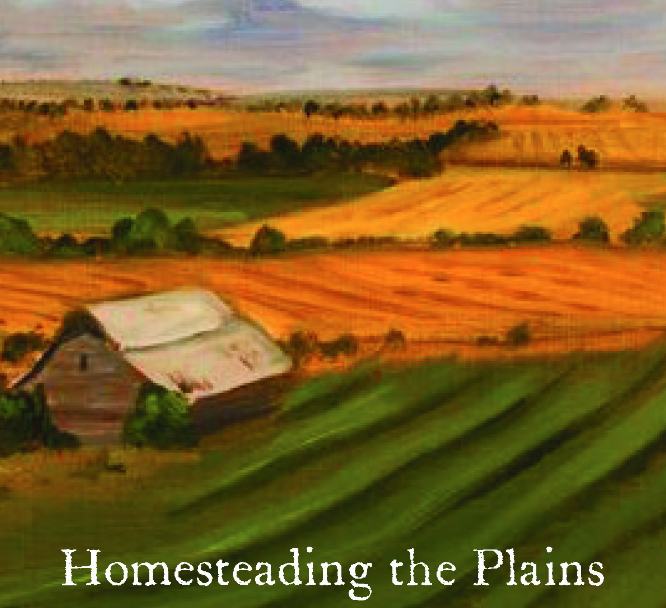
Homesteading the Plains is about the new understandings of homesteading, a topic I knew nothing about. Homesteading is living self sufficiently and producing mostly for your own family with maybe a bit more to sell. I picture Little House on the Prairie. This website explained that there are actually some assumptions made by many scholars about homesteading including the fact that it is often filled with fraud. I had to do a bit more research but I believe they are talking about land ownership during the late 1800’s in the midwest. The book this website is based around claims that many of these negative assumptions aren’t true. The website uses networking to demonstrate many of these claims. In the networks, nodes represent people (witnesses and homesteaders) and edges represent a “socio-legal relationship built off of the practice of witnessing.” During the time, the General Land Office required a “proof of posting” where four community members verified that an individual was a homesteader. This way of showing the information allowed some witnesses who signed for many homesteaders to emerge as a keystone member of a community. It also allows us to see the different communities that emerged in a township. Often immigrants stayed in a tight knit community and did not interact as much with the surrounding citizens. The project also used historic survey maps to georefrence the witness networks. This showed that, apart from intentional immigrant communities, communities generally formed based on proximity. These networks helped show that fraud was probably only between 3.5% and 8.5%. Research also found that homesteading probably made up the biggest chunk of new farms that were started in the midwest in the late 1800’s. They also found that a majority of homesteaders who staked their claim before 1900 were able to get their free land.

I like your interpretation of this project a lot! I also chose this project because I found it very interesting, but I too was confused a bit on what exactly they were talking about. Your analysis on communities and how they formed is extremely fascinating. Immigrants forming close knit communities makes sense. Because of this project, I want to research more into homesteading, which it seems that you did.